

31 Oct Rio Grande Nature Center: A Birdwatcher’s Haven
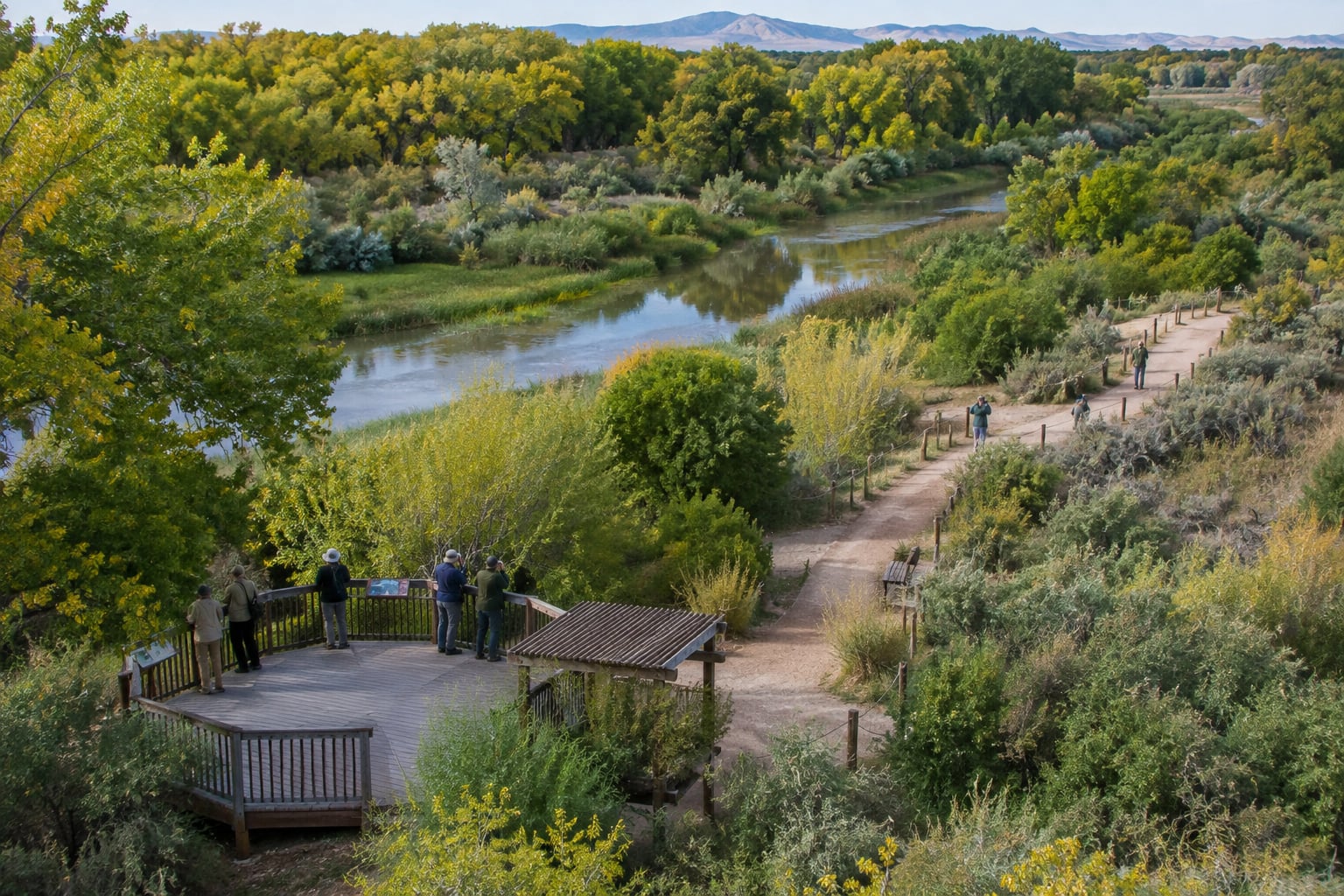
Herons, ducks, and songbirds use the ponds and cottonwoods here all year. The Rio Grande Nature Center is a 270-acre state park on the Rio Grande bosque in northwest Albuquerque, and it’s one of the easiest places in the city to see many kinds of birds. For visitors staying near I-25, it’s a short, practical stop for a morning outing.
Key takeaways
- The nature center sits on the Rio Grande bosque, a river forest of cottonwoods and wetlands that migrating birds use as a stopover.
- Early morning is the best window for birding, before the wind picks up and the birds settle into the trees.
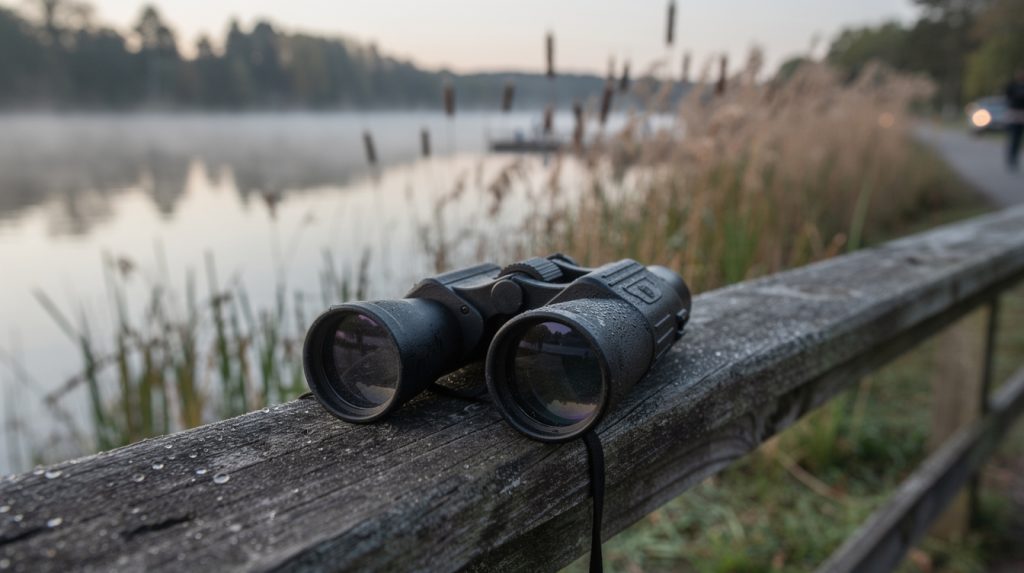
- Binoculars and a field guide matter more than a fancy camera for a first visit.
- Check current hours before you go, since the park’s schedule changes with the seasons.
What is the Rio Grande Nature Center?
The Rio Grande Nature Center is a state park and environmental education center that protects a stretch of the river’s floodplain forest. The bosque (the Spanish word for woodland) is a narrow band of cottonwood, willow, and shrubs. It runs along the river through the city. Here, that habitat sits beside managed ponds and marsh areas that hold water for wildlife.
Water is what makes this spot work.
In a dry state like New Mexico, a pond with reeds and open water pulls in birds that would otherwise pass over the desert. You’ll notice the difference fast. The trees fill with songbirds, and the water fills with ducks.
When is the best time to see birds?
Early morning is the strongest window.
Birds feed most actively in the first hours after sunrise, and the air is usually calmer before the afternoon breeze comes up off the river. Arriving close to opening time also means fewer people on the trails. That matters if you want to stand still and wait for a bird to come into view.
Seasons change the list considerably. Winter brings ducks, geese, and a good number of raptors to the ponds. Spring and fall bring migrating songbirds moving through the cottonwoods, so a mid-April or late September walk can produce more species than a summer visit. Summer’s quieter, though resident birds are still active near the water early in the day.
What should you look for on the trails?
Start at the ponds. Herons and egrets stand along the margins, and ducks tend to cluster where the reeds offer cover. Scan the open water slowly, then check the edges. Many smaller birds hide in the vegetation until they move.
Next, walk into the cottonwood stands. You’ll hear more than you see. Songbirds gather in the canopy and along the understory. Stop often, keep quiet, and listen for calls before you raise your binoculars. Most birders learn quickly that a short pause in one spot beats a fast loop around the whole park.
The best birding at the Rio Grande Nature Center happens for people who arrive early, walk slowly, and stop often.
Practical tips for a comfortable visit
Dress in layers. Mornings along the river can feel cool, and afternoons in Albuquerque get warm quickly, even when the air is dry. Sunscreen and a hat help, since much of the walking happens in open sun near the ponds.
Bring water. The bosque’s shaded in places but not everywhere. The high desert dries you out faster than most people expect. A reusable bottle is enough.
If you’re staying at a hotel off I-25, plan the outing before breakfast. A quick drive in the early light gets you on the trails when the birds are most active. You can be back in time for a late-morning meeting or a day trip. Pair the visit with a stop at the Santa Fe day trip plan if you want to spend the afternoon farther north.
Questions people ask
Is the Rio Grande Nature Center free to visit?
Admission and parking rules can change, so confirm current fees with the park before you go. Many visitors find the grounds accessible without a long planning process, but check the official state park information for the latest details.
What birds can I expect to see?
Expect waterfowl and wading birds on the ponds, along with songbirds and raptors in the cottonwoods. Species vary by season, so a spring or fall visit usually offers the most variety.
How long should I plan to spend there?
Two hours is enough for a relaxed walk with time to stop and watch. Serious birders often stay longer, especially during migration.
Do I need a guide?
You don’t need one for a first visit. Staff and volunteers at the visitor center can point out recent sightings and suggest where to focus your time.
Plan an early start, pack your binoculars, and give yourself a slow morning on the trails. The bosque rewards people who take their time. A short drive from your room can put you among herons and songbirds before the city wakes up. Book your stay, set the alarm a little early, and see what the river brings in.
No Comments